Top 10 Australia Logistics Companies What You Need to Know?
The Australia Logistics industry plays a crucial role in the nation's economy. According to the Australian Logistics Council, the sector contributes over $107 billion annually. This impressive figure showcases its significance and potential. However, the industry faces challenges, including rising costs and evolving consumer demands.
Experts like Dr. Sarah James, a logistics consultant, emphasize, "Efficiency in logistics determines market competitiveness." This statement underlines the importance of innovation and efficiency. The landscape is changing rapidly, influenced by technology and shifting market trends. Companies must adapt to survive.
While many logistics firms excel, others struggle to keep pace. The competitive nature of Australia Logistics means continuous improvement is essential. Identifying the top logistics companies can provide insights into successful strategies and best practices. Yet, it's vital to reflect on areas needing enhancement within the industry. Balancing growth and operational efficiency remains a challenge for all players.
Top Ten Logistics Companies in Australia: An Overview of the Sector
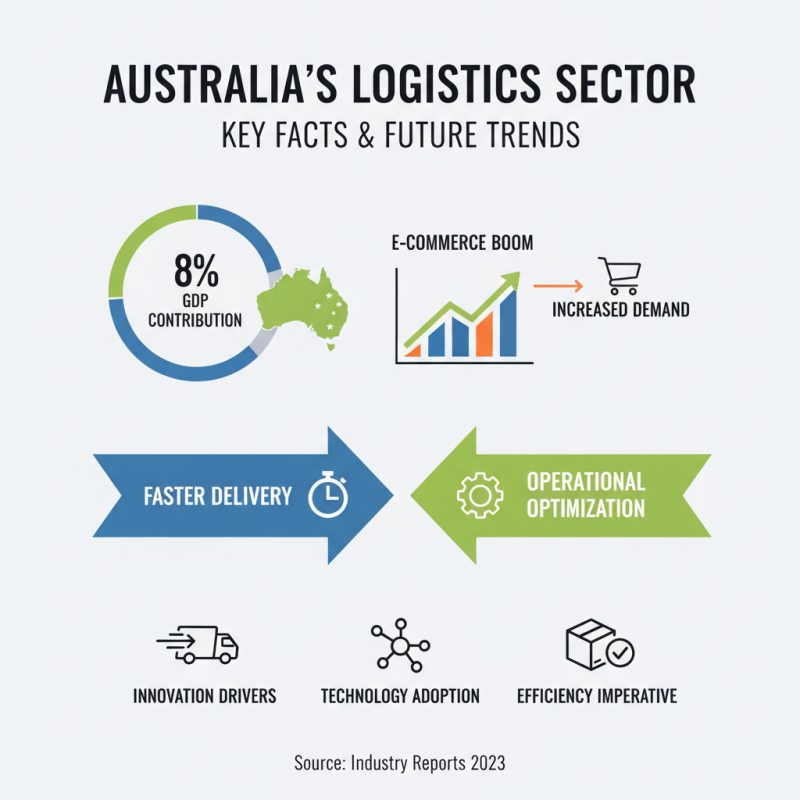
Australia's logistics sector is a vital part of its economy. It contributes approximately 8% to the nation's GDP. With the rise of e-commerce, logistics companies face increased pressure to optimize their operations. The demand for faster delivery times is pushing companies to innovate.
The sector is quite fragmented, with many players offering specialized services. Reports indicate that road transport is the dominant mode, accounting for over 70% of freight movement. Yet, businesses must address inefficiencies. For example, an estimated 30% of trucks run empty on return trips, highlighting a significant area for improvement.
Sustainability is becoming a focal point for logistics firms. Enhanced regulations are urging companies to adopt greener practices. While investment in technology is substantial, many companies still lag behind in digitalization. A staggering 60% of logistics leaders believe that automation can increase efficiency, yet only a fraction have implemented state-of-the-art systems. Addressing these gaps will shape the future of logistics in Australia.
Market Share Analysis of Australia's Leading Logistics Providers
Australia's logistics sector is dynamic and competitive. Recent reports indicate that the logistics industry contributes over AUD 113 billion to the national economy. This figure highlights the sector's critical role. With increasing demand for efficient supply chains, major players are constantly adapting.
Market share reveals interesting insights. The top logistics providers control approximately 40% of the sector. They leverage technology to optimize operations. Yet, there remains a puzzle in addressing delivery delays. Many companies face challenges in last-mile logistics. The urban infrastructure can complicate timely deliveries.
Furthermore, smaller firms play a vital role. They account for about 30% of the market share, offering specialized services. However, they often struggle with scaling operations. Investment in technology can be a game-changer. Yet, not all are ready to make that leap. The logistics landscape in Australia continues to evolve. These dynamics point to a growing need for innovation and flexibility.
Analysis of Australia's Leading Logistics Providers
Key Services Offered by Top Logistics Companies in Australia
When exploring logistics in Australia, several key services stand out among top companies. These logistics providers specialize in freight management, warehousing solutions, and supply chain optimization. As reported by the Australian Logistics Council, effective logistics can reduce operational costs by up to 20%. Efficient freight management aligns transportation with demand, minimizing delays.
Warehousing services offer inventory management and distribution. Many logistics companies provide advanced technology for real-time tracking. This transparency is vital for businesses relying on timely deliveries. A survey revealed that 75% of companies consider improved visibility a top priority. However, challenges remain. Not all firms fully utilize technology. A significant gap exists in adopting integrated logistics solutions, impacting efficiency.
Supply chain optimization focuses on streamlining processes. By analyzing data, logistics firms help businesses identify inefficiencies. Yet, only 30% actively implement these insights for improvement. Integration across platforms is often inconsistent, which creates bottlenecks. Many struggle with adapting to changing demands while maintaining service standards. This highlights an ongoing need for reflection and growth in Australia's logistics landscape.
Impact of E-commerce on the Australian Logistics Industry
E-commerce is reshaping the Australian logistics industry. As online shopping grows, companies face new challenges and opportunities. The surge in demand requires faster delivery times. Customers now expect their orders to arrive next day, sometimes even same day. This shift puts pressure on logistics providers.
Infrastructure must adapt to these new demands. Warehouses need to be strategically located near urban areas. Traffic congestion can delay deliveries, leading to customer dissatisfaction. Many logistics companies are exploring technology to improve efficiency. Automation and data analytics can streamline operations. However, not all businesses adapt quickly or effectively.
Sustainability is also a pressing issue. Many companies are focusing on reducing their carbon footprints. This means exploring eco-friendly transport options. But balancing speed and sustainability is tricky. Some companies struggle to find the right solutions. The future of logistics in Australia remains uncertain. Adaptability will be key in this evolving landscape.
Future Trends Shaping Logistics Companies in Australia
The logistics landscape in Australia is evolving rapidly. Emerging technologies are reshaping operations. Automation is becoming essential for efficiency. Businesses are exploring autonomous vehicles for deliveries. This shift could drastically reduce costs and improve service times. However, challenges remain. High setup costs and regulatory hurdles often hinder swift adoption.
Sustainability is another critical factor. Companies aim to reduce their carbon footprint. Many are opting for eco-friendly packaging and energy-efficient transport options. Yet, the balance between cost and sustainability poses tough questions. Stakeholders must consider if the added expenses are worth the potential environmental benefits.
Lastly, customer expectations are higher than ever. Consumers demand transparency and faster deliveries. Logistics companies must adapt to these changing needs. This may come at a high operational cost, complicating margins. As the industry moves forward, flexible strategic planning will be vital. Each company needs to reflect and innovate continuously to stay competitive.