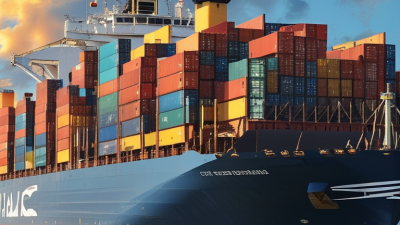
Sea Freight Shipping moves goods across oceans in containers, linking manufacturers, exporters, importers, and ports. It remains a practical choice for heavy, bulky, or non-urgent cargo. A container may hold furniture, machinery, clothing, or packaged food. Its journey often begins at a warehouse and ends at a distribution center.
The process involves several connected steps. A shipper requests a quotation, confirms cargo details, and books space with a carrier or freight forwarder. Workers then inspect, pack, weigh, and label the shipment. At the port, the container passes through documentation, terminal handling, and customs procedures. After loading, the vessel follows a scheduled route to the destination port. The consignee arranges clearance, delivery, and sometimes inland transportation.
The paperwork matters greatly. Commercial invoices, packing lists, bills of lading, and accurate cargo descriptions support smoother movement. Experienced logistics professionals also check dimensions, weight limits, insurance needs, and destination requirements. Tracking systems can show vessel updates, but they cannot remove every uncertainty. Weather may delay a sailing. Port congestion can change delivery estimates. A plan can still shift.
This guide explains how Sea Freight Shipping works in real commercial operations. It also examines costs, transit times, container types, responsibilities, and common risks. Reliable shipping decisions require verified information, clear communication, and realistic timelines. Small errors can become expensive. Careful preparation helps, although even careful teams sometimes need to revise their assumptions.
What Is Sea Freight Shipping and How Does It Work?
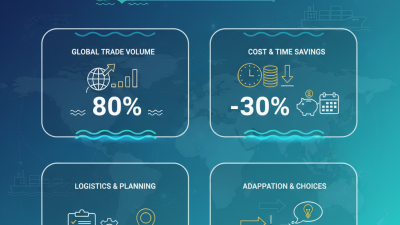
More than 80% of global trade by volume moves by sea, according to UNCTAD. This figure shows why ocean transport remains central to international commerce. Ships carry food, machinery, furniture, raw materials, and countless everyday products across long distances. Sea freight usually costs less than air transport, especially for heavy or bulky cargo. It is slower, though. A container may spend weeks at sea before reaching its destination.
The process starts when a shipper prepares cargo details, packaging, and transport documents. A freight specialist then reserves space on a vessel and arranges container collection. At the port, workers inspect, weigh, and load the container. The vessel follows a planned route, but schedules can change because of weather, port congestion, or equipment shortages. Delays happen. Even experienced planners must leave room for uncertainty.
After arrival, the destination port handles unloading and cargo checks. Customs authorities review the required documents before release. A truck or rail service then carries the container to a warehouse or final delivery point. In practice, small errors can create large delays. An incorrect weight, missing document, or weak package seal may stop movement for days. Careful planning helps, but sea freight is never perfectly predictable.
Sea freight moves cargo between ports by vessel, but the ocean leg is only one part of the journey. Container selection shapes cost, protection, and handling requirements. A full container load (FCL) suits one shipper with enough cargo to fill a container. Less-than-container load (LCL) combines smaller shipments with other cargo. Measure everything twice. A few unused centimeters can change the packing plan.
Dry containers handle cartons, furniture, machinery, and other non-temperature-sensitive goods. Refrigerated containers protect chilled or frozen cargo, but they require accurate temperature settings and continuous monitoring. Open-top or flat-rack equipment can carry oversized machinery, although securing points and lifting limits need careful review. Cargo weight, dimensions, center of gravity, moisture sensitivity, and loading access should be recorded before booking. Photos of packed cargo can support later claims, but they cannot replace a proper inspection.
Incoterms clarify who arranges transport, insurance, customs tasks, and delivery risk. Under FOB, the seller usually delivers cargo on board at the named port, while the buyer manages the main ocean transport. Under CIF, the seller arranges freight and basic insurance to the destination port, but risk generally transfers earlier. DAP places more delivery responsibility on the seller, excluding import clearance in many cases. The named place matters greatly. An unclear place name can create expensive disputes. Confirm the chosen rule against the current official version and the sales contract. Planning still has weak spots: port congestion, inaccurate weights, and incomplete documents can disrupt an otherwise sensible shipment.
Sea freight shipping moves cargo between ports inside steel containers. The process begins with a booking request. Shippers provide the cargo description, package count, weight, dimensions, origin, destination, and expected sailing date. Accurate details help carriers allocate space and select suitable equipment. A rushed booking can create costly changes later.
The bill of lading is a central transport document. It records the shipper, consignee, cargo description, container number, and shipping terms. It may also confirm receipt of the goods and support cargo release. Small errors matter. A wrong consignee name or incomplete address can delay document checks and delivery arrangements. Experienced logistics teams review every field before approval.
Customs data must match the physical shipment and commercial records. This usually includes tariff information, declared value, origin, and the parties involved. Requirements differ by country, so current guidance should be checked with a qualified customs professional. The Verified Gross Mass, or VGM, is also essential. It includes the cargo, packaging, pallets, and container contents. The shipper must obtain the total weight through an approved method and submit it before the carrier’s deadline. For example, a container weighing 18,420 kilograms should have supporting records available. Weighing mistakes happen, especially when moisture or packaging changes the final figure. That detail deserves a second review.
Sea freight shipping moves cargo between ports in sealed containers. The port process begins before the vessel arrives. A carrier or freight coordinator confirms the pickup address, cargo details, container size, and delivery window. A truck collects the empty container from a designated facility. The shipper checks the box for damage, moisture, and a clean interior. Small defects matter. Photos and accurate weight records can prevent disputes at the gate. Cargo is then packed, secured, sealed, and transported to the terminal.
At the terminal, the truck enters through a controlled gate. Staff verify booking information, container identification, seal numbers, and gross weight. Automated cranes or inspectors may direct the container to a holding area. The terminal system assigns a position based on vessel plans and handling needs. Workers may inspect labels and seals before the box moves toward the quay. This stage looks routine, but delays often start with a wrong number or late paperwork. Experienced operators know clear handoffs matter as much as fast equipment. Timing is imperfect.
Before loading, planners arrange containers by destination, weight, and discharge sequence. Cranes lift each box from the yard onto the vessel. Heavy containers usually go lower, while lighter units sit higher. Twist locks secure containers to the deck and connect them in stable stacks. The vessel receives final clearance after cargo records, safety checks, and operational reviews are complete. Departure may still change because of weather, congestion, equipment issues, or revised instructions. Details matter. A perfect schedule is useful, but it is not guaranteed.
Sea freight moves cargo between ports in sealed containers. The process begins when goods are packed, documented, and delivered to a departure terminal. A carrier records milestones such as gate-in, loading, and vessel departure. Tracking starts there. It is slower than air transport. Experienced shippers watch estimated arrival dates closely, because port congestion can change them without much warning. A container may wait several days before loading.
At the destination port, customs clearance becomes critical. Customs officers review invoices, packing lists, cargo descriptions, and required permits. The importer or a licensed customs representative submits the declaration. Missing information can cause inspections, storage fees, or delayed release. Duties and taxes depend on the goods, value, origin, and local rules. Rules differ by country. A careful review helps, but paperwork is not foolproof. One overlooked measurement can create an expensive correction.
After customs releases the container, a truck or rail service moves it inland. The final delivery appointment depends on equipment, traffic, warehouse hours, and unloading capacity. Tracking may show “arrived at terminal” while the cargo still waits for a chassis or delivery slot. That status can mislead inexperienced customers. A reliable logistics team checks events with the terminal and transport provider, not only the online system. Keep a time buffer. Even well-planned shipments can face weather, congestion, or a damaged seal. Personally, I would treat the delivery estimate as a working forecast, not a promise.
| Shipping Stage | Main Activity | Typical Time Range | Key Documents or Data | Tracking Milestone | Common Delay Factors |
|---|---|---|---|---|---|
| Booking and Planning | The shipper selects a sailing schedule, confirms cargo details, and reserves container space. | 1–7 days | Cargo description, weight, dimensions, origin, destination, shipping instructions | Booking confirmed | Limited vessel capacity, incomplete cargo information, schedule changes |
| Export Preparation | Goods are packed, labeled, weighed, and prepared for export according to transport and safety requirements. | 1–5 days | Commercial invoice, packing list, verified gross mass, export permits when required | Cargo ready for pickup | Improper packaging, incorrect weight, missing permits, hazardous-goods noncompliance |
| Origin Inland Transport | A truck or rail service moves the cargo from the warehouse to the export port or container terminal. | 1–3 days | Pickup order, container number, seal number, gate appointment | Gate-in at origin terminal | Road congestion, rail disruption, equipment shortages, terminal appointment limits |
| Export Customs Clearance | Customs authorities review the export declaration and may inspect the cargo before approving departure. | Several hours to 3 days | Export declaration, tariff classification, origin information, commercial invoice | Export clearance completed | Document errors, inspections, controlled goods, unpaid government charges |
| Vessel Loading | The container is placed in the terminal stack and loaded onto the scheduled vessel. | 1–3 days | Container and seal details, loading instructions, vessel and voyage reference | Loaded on vessel | Vessel rollover, port congestion, weather, late cargo arrival |
| Ocean Transit | The vessel carries the container between the origin and destination ports, sometimes through a transshipment hub. | 10–45 days, route dependent | Bill of lading, vessel name, voyage number, port sequence, estimated arrival date | Vessel departed; transshipment; estimated arrival | Bad weather, port omissions, congestion, mechanical issues, schedule changes |
| Arrival and Discharge | The destination terminal unloads the container and makes it available for customs processing or delivery planning. | 1–5 days | Arrival notice, terminal release information, container availability status | Discharged from vessel | Terminal congestion, inspection holds, unpaid storage or handling charges |
| Import Customs Clearance | The importer or customs representative submits the declaration, pays applicable duties and taxes, and responds to any inspection request. | Several hours to several days | Import declaration, bill of lading, commercial invoice, packing list, tariff code, permits | Customs released | Incorrect classification, valuation questions, missing documents, physical inspection |
| Final Inland Transport | A truck, rail service, or combined transport solution moves the released cargo to the consignee’s facility. | 1–7 days | Delivery order, transport booking, delivery address, appointment details | Out for delivery | Traffic, chassis shortages, delivery restrictions, consignee unavailable |
| Empty Container Return and Closure | After unloading, the empty container is returned to an approved location and the shipment record is closed. | 1–5 days | Empty return appointment, equipment interchange receipt, delivery confirmation | Delivered; empty returned | Return-location restrictions, detention charges, damaged equipment, missed appointments |