What is a Railway Agent and What Do They Do?
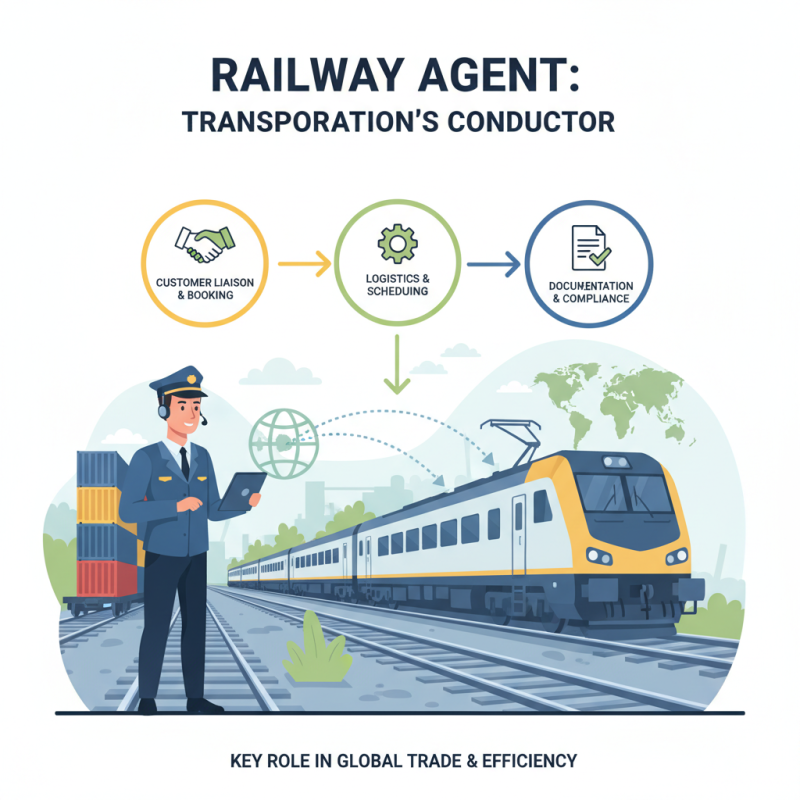
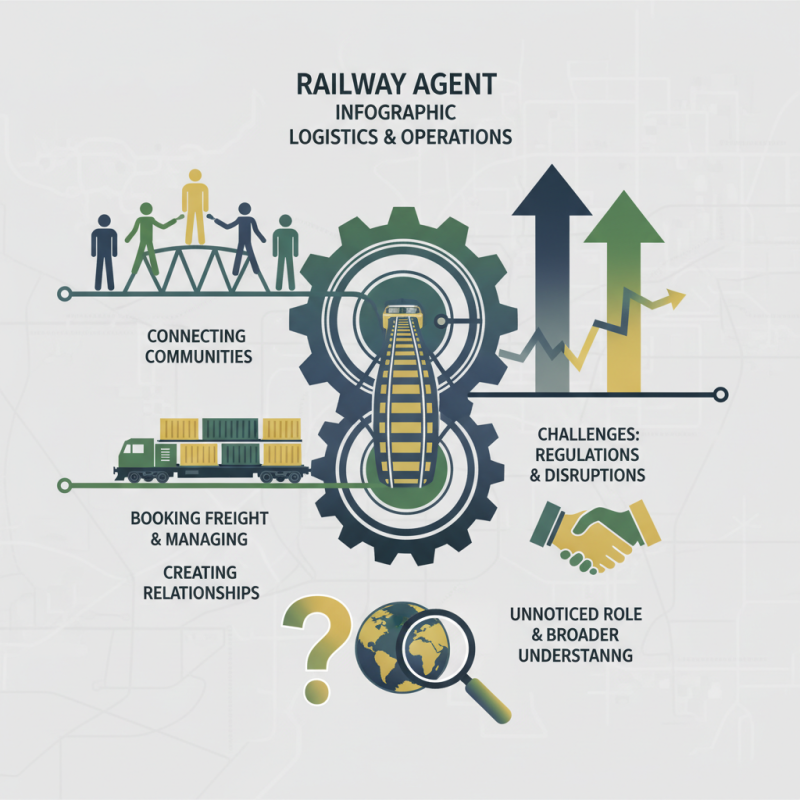
In the realm of transportation, the role of a Railway Agent is pivotal. As industry expert John Harrison states, "A Railway Agent connects communities through rail." This connection is vital for both businesses and individuals. Railway Agents play a crucial role in coordinating logistics and ensuring smooth operations across the railway network.
Day to day, Railway Agents are the face of the railway industry. They handle various tasks, from booking freight to managing schedules. Their work is not just about moving goods; it is about creating relationships. However, the challenges they face are significant. Changes in regulations or disruptions can pose real problems in their operations.
Despite their importance, the role of a Railway Agent often goes unnoticed. Many people are unaware of the complex interactions and details involved in their job. This lack of recognition can lead to misunderstandings of the industry. Acknowledging the crucial work of Railway Agents enriches the broader understanding of transportation logistics.
Definition of a Railway Agent and Their Role in the Industry
A railway agent plays a vital role in the transportation industry. They are often the first point of contact for customers looking to ship goods. Their main responsibilities include coordinating logistics and managing shipment schedules. Railway agents must ensure that all paperwork is complete and accurate. Attention to detail is crucial in preventing delays.
In addition to paperwork, railway agents must communicate effectively. They deal with customers and other stakeholders daily. Building strong relationships is essential. This aspect of their job can be challenging. Customers may have varying expectations or tight deadlines. A successful agent navigates these pressures with tact.
Ultimately, railway agents must continuously adapt. The industry is always changing. New regulations and technologies emerge frequently. Agents need to stay updated on these changes. Mistakes can lead to significant delays and financial losses. Therefore, reflecting on their processes is important. Evaluating what works and what doesn’t can improve their efficiency.
Key Responsibilities and Duties of a Railway Agent
A railway agent plays a vital role in the transportation sector. They handle various responsibilities that ensure smooth operations. One key duty is coordinating with clients and ensuring their needs are met. They communicate with different departments to schedule trains effectively.
Railway agents manage freight logistics. They oversee the loading and unloading of cargo, ensuring it meets safety standards. They also handle documentation, which can be tedious and often requires attention to detail. Sometimes, errors occur in scheduling or paperwork, leading to delays. Agents must quickly resolve these issues to maintain efficiency.
Another responsibility involves customer service. Agents interact with customers regularly. Listening to their concerns and addressing complaints is crucial. This role requires patience and problem-solving skills. Sometimes, customers have unrealistic expectations, leading to conflicts. Reflecting on these experiences helps agents improve their approaches.
Skills and Qualifications Required for Railway Agents
Railway agents play a crucial role in the transportation sector. They ensure that trains operate smoothly and efficiently. Essential skills for a railway agent include problem-solving, communication, and negotiation. According to the Bureau of Labor Statistics, the demand for roles in this field is expected to grow by 6% over the next decade. This indicates a stable future for individuals seeking to enter the profession.
Qualifications needed often include a high school diploma or equivalent. Many employers prefer candidates with additional certifications or training in logistics. Familiarity with safety regulations is vital, as railway agents must always prioritize safety. However, the job can be stressful. Agents might face unpredictability due to changing schedules or operational issues. An effective agent must weather these challenges.
Attention to detail matters. Agents must track shipments meticulously, and errors can lead to costly delays. The ability to handle multiple tasks is essential. Railway agents often juggle various responsibilities at once. Nonetheless, ongoing training helps them refine their skills. Over time, experience brings wisdom, but the reality of this fast-paced environment can be overwhelming. Adaptability is key to thrive in this sector.
What is a Railway Agent and What Do They Do?
| Skill/Qualification |
Description |
Importance |
| Communication Skills |
Ability to clearly convey information to customers and colleagues. |
High |
| Customer Service |
Providing assistance and support to passengers and freight customers. |
Essential |
| Sales Skills |
Ability to effectively sell services and manage client relationships. |
Important |
| Knowledge of Rail Systems |
Understanding of railway operations, schedules, and regulations. |
Critical |
| Problem-Solving Skills |
Ability to resolve customer issues or operational problems effectively. |
Very High |
| Teamwork |
Collaborating with colleagues in a fast-paced environment. |
Moderate |
| Attention to Detail |
Careful attention to procedures and customer requests. |
High |
| Adaptability |
Flexibility to cope with changes and unexpected situations. |
Necessary |
Impact of Railway Agents on Logistics and Supply Chain Management
Railway agents play a crucial role in logistics and supply chain management. They act as a bridge between freight carriers and customers. Their expertise ensures efficient handling of cargo. This includes scheduling shipments, tracking deliveries, and managing documentation. By coordinating logistics, they help reduce delays. However, reliance on them can sometimes lead to miscommunication.
In many cases, railway agents face challenges, such as insufficient information or last-minute changes. These issues can disrupt the flow of goods. When delays occur, it impacts the entire supply chain. Businesses must adapt quickly to maintain efficiency. Some agents struggle with technology integration, which affects their service quality. Improving communication and adopting new tools can benefit both agents and their clients.
The effectiveness of railway agents directly influences costs and delivery times. Better coordination can enhance overall performance. However, misunderstandings are common, highlighting the need for better training. Continuous reflection on their processes will lead to improvements. Investing in professional development can make a significant difference in outcomes.
Impact of Railway Agents on Logistics and Supply Chain Management
Challenges Faced by Railway Agents in Modern Rail Transportation
Railway agents play a crucial role in the modern rail transportation system. They coordinate logistics, manage schedules, and ensure the smooth operation of trains. However, the challenges they face are growing. Increasing demands for efficiency can lead to overwhelming workloads. Communication can be a significant barrier, often resulting in misunderstandings.
Many railway agents deal with outdated technology. This can slow down operations and increase frustration among staff. Additionally, the pressure to adhere to strict safety regulations adds to their stress. Errors can have severe consequences, both financially and in terms of safety.
**Tip:** Regular training sessions can help improve communication skills among agents.
Another challenge is the need for adaptability. Rail transportation is affected by weather conditions, unexpected delays, and changing regulations. Agents must stay informed and be ready to adjust plans on the fly. This juggling act requires not only quick thinking but also strategic foresight.
**Tip:** Staying organized with digital tools can help agents manage their tasks better.
Ultimately, while railway agents face significant challenges, their resilience and commitment to their roles are essential for the success of rail transport. Adapting to modern demands is a journey that requires continuous effort and reflection.