How to Optimize Supply Chain Logistics for Better Efficiency?
In the realm of Supply Chain Logistics, efficiency is essential for success. Renowned expert Dr. Emily Carter states, "The key to mastering supply chain logistics lies in continual optimization." This notion emphasizes the need for constant evaluation and improvement.
Modern businesses face myriad challenges in their logistics processes. From transportation delays to increasing costs, inefficiencies can disrupt operations. Each hiccup can lead to greater issues, affecting customer satisfaction and the bottom line. Companies must scrutinize their practices.
An optimized supply chain has tangible benefits. Reduced costs, faster delivery times, and happier customers are just the beginning. However, the pursuit of efficiency is never complete. Organizations often overlook minor details that can enhance their logistics strategies. Reflection on past practices is crucial. Identifying what worked and what didn’t leads to better decision-making in the future.

Understanding Supply Chain Logistics and Its Importance
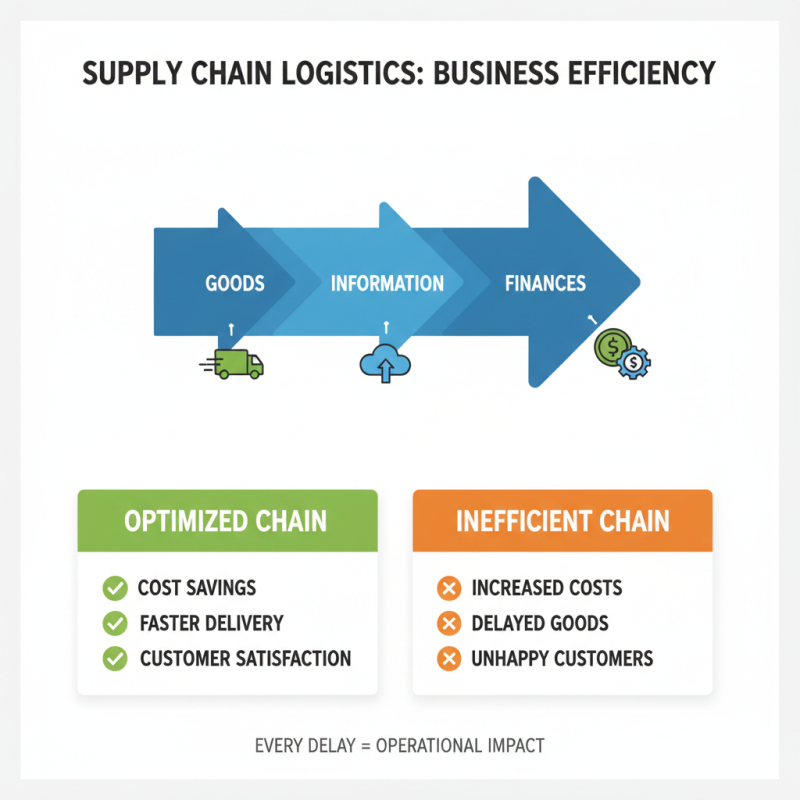
Supply chain logistics is a crucial element in business efficiency. It encompasses the flow of goods, information, and finances. Companies often underestimate its complexity. A well-optimized supply chain can lead to significant cost savings. Inefficiencies in logistics can result in delays, increased costs, and customer dissatisfaction. Every delay impacts the overall operation.
Understanding logistics starts with its components. This includes transportation, warehousing, and inventory management. Each area presents unique challenges. For example, transportation choices can significantly affect delivery times. A slow transport route can ripple through the entire supply chain. Companies must regularly evaluate their logistics strategies. They need to ask important questions. Are shipping methods effective? Is the warehouse organized?
Moreover, technology plays a pivotal role in enhancing logistics. Tracking tools and software offer visibility into each process. However, adopting such technologies can be daunting. Employees may resist change, fearing it may complicate their work. Finding a balance between tradition and innovation is often necessary. It’s essential to learn from ongoing challenges and adapt to new strategies for improvement.
Identifying Key Metrics for Supply Chain Efficiency
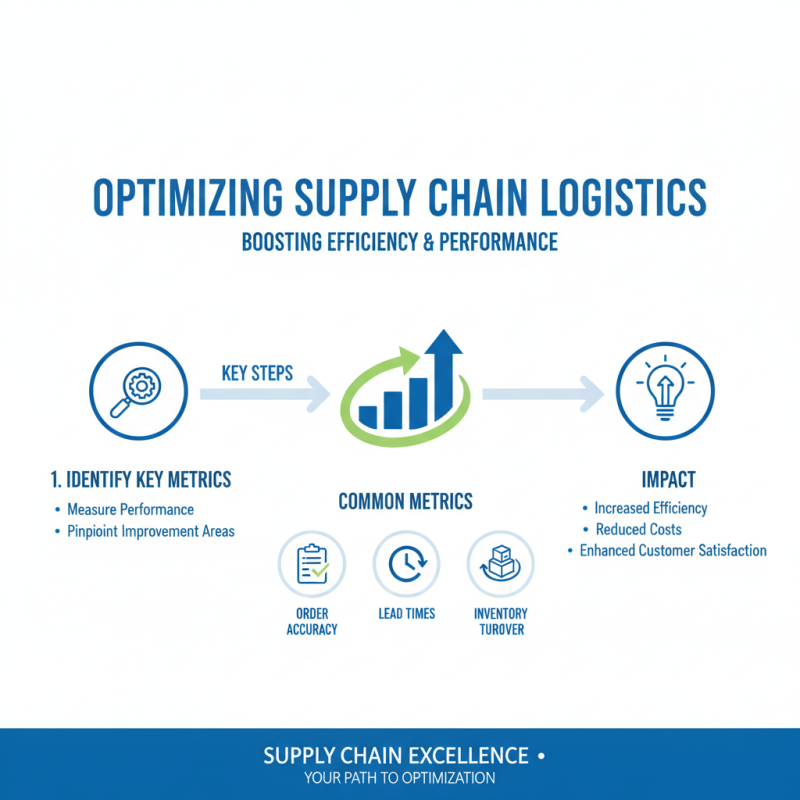
Optimizing supply chain logistics is crucial for improving efficiency. One important step is to identify key metrics. These metrics can help measure performance and discover areas needing improvement. Common metrics include order accuracy, lead times, and inventory turnover.
Tips: Track order accuracy closely. A small error can disrupt the entire process. Aim for a high percentage, but expect some mistakes. Analyze why they happen. This can reveal communication issues or training gaps.
Lead times should also be monitored. They affect customer satisfaction directly. A long lead time can lead to lost sales. Think about consolidating shipments or using alternate routes to cut down on delays. Small adjustments here can lead to significant gains.
Inventory turnover rate is another essential metric. A low rate indicates overstocking, which ties up capital. If stock sits too long, it may become obsolete. Investigate slow-moving items. Determine whether you truly need to keep them. These metrics can paint a clearer picture of your supply chain efficiency. Addressing these details is vital for lasting improvement.
Implementing Technology Solutions for Streamlined Operations
In today's fast-paced market, technology solutions can significantly enhance supply chain logistics. Integrating software platforms enables real-time tracking and visibility. This leads to faster decision-making and improved response times. However, adopting technology isn’t always seamless. Training staff and adjusting processes require time and attention.
Tips for implementation: Start with a clear assessment of current logistics processes. Identify gaps and areas for improvement. Gradual integration of new technologies can make the transition smoother. Involve team members early in the process. Their feedback can help refine the implementation.
Consider automating routine tasks. Automation saves time and reduces human error. Yet, it’s essential to monitor these systems regularly. Overreliance on technology can lead to oversight. Maintaining a balance between human and machine input is crucial. This balance fosters resilience in logistics operations, even when challenges arise.
Supply Chain Logistics Efficiency Optimization
Strategies for Effective Inventory Management and Control
Effective inventory management is crucial for optimizing supply chain logistics. It allows businesses to balance supply and demand. When inventory levels are too high, costs increase. Too low, and you risk stockouts. These extremes create challenges that can derail operations.
Implementing just-in-time (JIT) practices can help maintain optimal inventory levels. This strategy reduces waste by receiving goods only as needed. However, JIT requires precise forecasting. Any miscalculation can lead to delays. Keeping close communication with suppliers is vital. This relationship improves delivery schedules and minimizes disruptions.
Using technology can enhance inventory control. Automated systems allow real-time tracking of stock levels. They provide insights into trends and customer preferences. Yet, systems can fail. Regular audits and data reviews are necessary to ensure accuracy. It’s important to refine processes continuously. Resilience and adaptability are key in a dynamic market.
How to Optimize Supply Chain Logistics for Better Efficiency? - Strategies for Effective Inventory Management and Control
| Inventory Type |
Current Level |
Optimal Level |
Lead Time (Days) |
Stockout Rate (%) |
Carrying Cost ($) |
| Raw Materials |
500 units |
600 units |
10 |
5% |
$1,200 |
| Work in Progress |
300 units |
400 units |
15 |
3% |
$800 |
| Finished Goods |
1000 units |
1200 units |
7 |
2% |
$2,500 |
| Packaging Materials |
4000 units |
5000 units |
5 |
1% |
$600 |
Enhancing Collaboration Among Supply Chain Partners
Collaboration among supply chain partners is crucial for efficiency. According to a study by McKinsey, enhancing collaboration can improve supply chain performance by up to 30%. This statistic highlights the importance of transparent communication. When partners share data openly, they can react quickly to market changes. Delays often stem from a lack of information, which could be resolved through better joint planning.
Moreover, using collaborative technology can facilitate this process. Tools like shared dashboards allow real-time updates on inventory and shipments. However, many companies still rely on outdated methods. This gap can lead to misalignment in goals and expectations. A survey by Deloitte found that 50% of firms encounter significant challenges due to weak partnerships. Addressing these concerns requires a commitment to regular discussions and shared objectives.
In addition, fostering a culture of trust among partners is essential. Trust promotes more active participation and fosters better problem-solving. Some firms struggle with this, fearing loss of competitiveness. Yet, studies indicate that collaboration can enhance innovation. According to PwC, 73% of successful supply chain leaders invest in partnership-building techniques. Companies must reflect on their strategies to avoid stagnation. Collaboration is not merely a strategy; it’s a necessity for modern supply chains.