How to Efficiently Handle Shipping From China for Your Business?
Shipping from China has become essential for many businesses globally. Recent reports indicate that in 2021, approximately 24% of the world's trade was associated with Chinese exports. This staggering figure highlights the importance of efficient logistical practices. However, navigating supply chain complexities can be challenging. Price volatility, transit delays, and customs issues often arise.
Businesses can face unexpected hurdles in their shipping operations. A 2022 survey found that 35% of companies experienced significant delays in shipments from China. Such disruptions can impact inventory levels and customer satisfaction. Therefore, reevaluating freight and shipping strategies is vital.
Choosing the right shipping methods is a daunting task. Air freight, while faster, can be cost-prohibitive. Meanwhile, sea freight is less expensive but may involve long transit times. Understanding these trade-offs is critical. Businesses must balance speed with cost-effectiveness to thrive in today’s competitive landscape. A well-planned approach to shipping from China can lead to enhanced operational efficiency and profitability.
Understanding the Shipping Landscape: Key Statistics and Trends in China
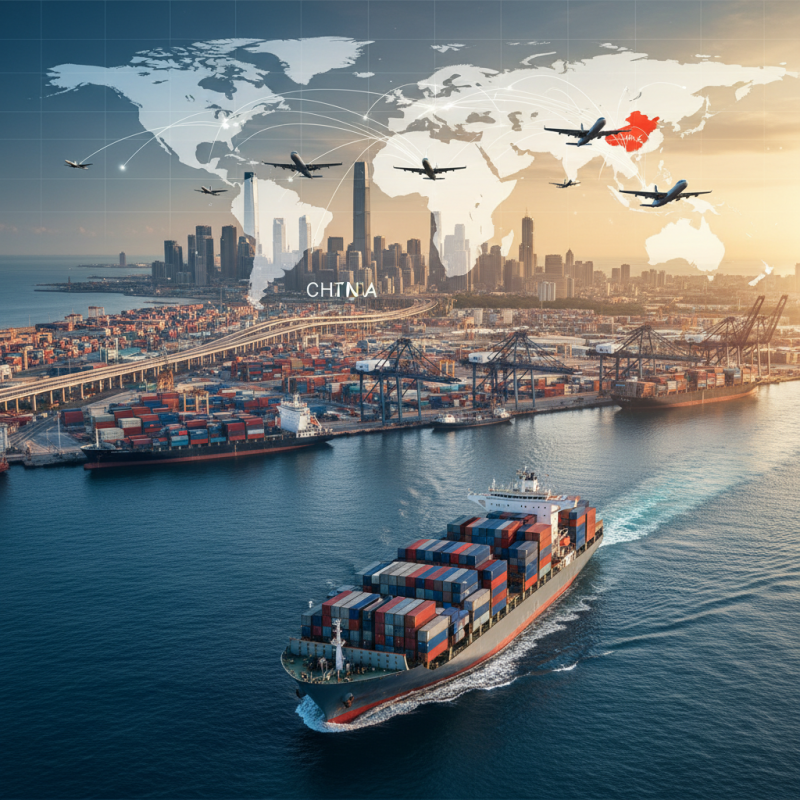
Shipping from China remains crucial for businesses. The country's export value reached approximately $2.74 trillion in 2022, indicating a robust growth trajectory. Understanding the current shipping landscape is vital. Key trends highlight a shift towards sea freight over air freight due to rising costs. Stats show container shipping rates fell by 50% in 2023 but remain fluctuating.
Tips: Regularly monitor shipping rates. This helps in cost management. Consider multiple shipping options to find the best fit for your needs.
E-commerce is booming, with cross-border trade increasing significantly. In 2022,
China accounted for about
40% of global e-commerce transactions. However, tracking shipments can prove challenging amidst this surge. Many businesses still struggle with
customs regulations and documentation errors.
Tips: Always prepare paperwork in advance. It minimizes shipping delays. Using technology for tracking can enhance transparency in operations. Reflect on past shipment issues to improve future logistics.
Evaluating Shipping Options: Air Freight vs. Sea Freight Efficiency
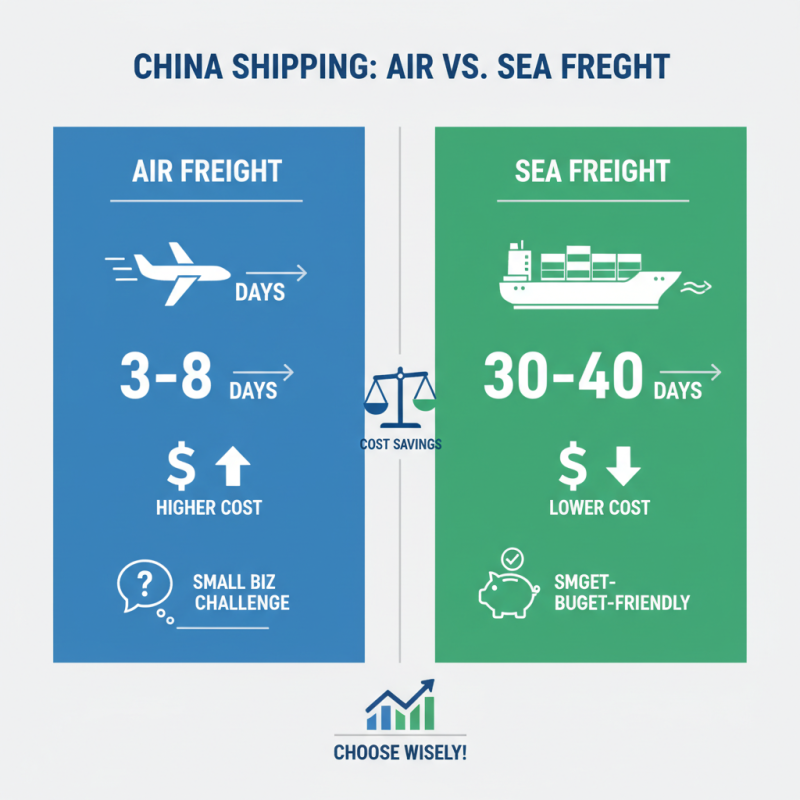
When it comes to shipping from China, businesses often face a crucial choice: air freight or sea freight. Air freight is notably faster. It can get your goods to you within a few days. However, this speed comes at a cost. It’s usually much more expensive than sea freight. Many small businesses struggle with this financial aspect.
On the other hand, sea freight is a cost-effective option. It is significantly cheaper, especially for large shipments. But the downside is the time. A sea freight shipment can take weeks. Waiting that long can impact your inventory levels. There are cases where a delay in shipment led to lost sales for various businesses.
Choosing the right method requires assessing your needs. For urgent shipments, air freight might be necessary despite the higher costs. If you can afford to wait, sea freight is generally the better choice financially. It’s important to consider your customer expectations too. Balancing speed and cost can be tricky, and there may not always be a perfect solution.
Customs Regulations: Navigating Import Tariffs and Duties in the US
Navigating customs regulations is crucial for businesses importing goods from China. The US imposes various tariffs and duties based on product categories. According to a report by the US International Trade Commission, approximately 44% of imported goods are subject to duties. Understanding these tariffs can save businesses significant costs. For example, electronics might incur duties ranging from 0% to 25%, depending on their classification.
Importing involves more than just purchasing products. Companies must comply with customs declarations and paperwork. A misstep here can lead to delays and additional fees. Approximately 30% of shipments to the US face customs-related issues, as per industry analysis. Importers should work closely with customs brokers to prevent such pitfalls. It's not just about getting products; it’s about getting them efficiently.
One overlooked aspect is the Harmonized System (HS) code. Assigning the wrong HS code can result in higher duties. This mistake can be costly. Some companies fail to review their HS codes regularly, leading to unexpected expenses. Regular audits of product classifications may reveal savings opportunities. Ignoring these details can impact profitability and cash flow in the long run.
Optimizing Supply Chain Management: Best Practices for Shipping from China
Efficiently managing shipping from China requires careful planning.
Understanding your supply chain is vital. Start by analyzing your current processes.
Identify potential bottlenecks or delays. A holistic view often reveals areas for improvement.
Tips: Communicate regularly with suppliers.
Clear expectations help prevent misunderstandings.
Explore various shipping methods. Each option has different costs and timeframes.
Experimenting can lead to better results.
Invest in technology to track shipments.
Visibility reduces uncertainty and enhances decision-making. Be open to feedback. If something isn't working,
reassess your approach. Flexibility can lead to more effective solutions. Always consider the balance
between cost and efficiency. The right trade-offs make a difference in the long run.