Best Railway Forwarder Insights at 139th Canton Fair 2026?
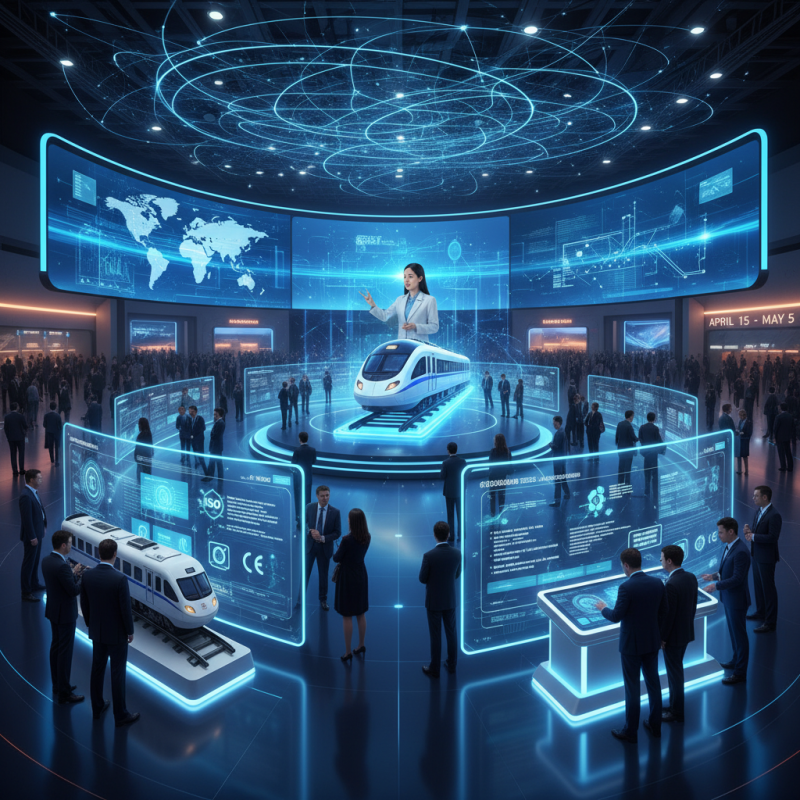
The 139th Canton Fair in 2026 is poised to be a pivotal event for the Railway Forwarder industry. Renowned expert, Dr. Alice Zhang, emphasizes the importance of innovation in this field: "Efficient logistics solutions are vital for the future of global trade." This fair, spanning from April 15 to May 5, will showcase advancements that could redefine railway logistics.
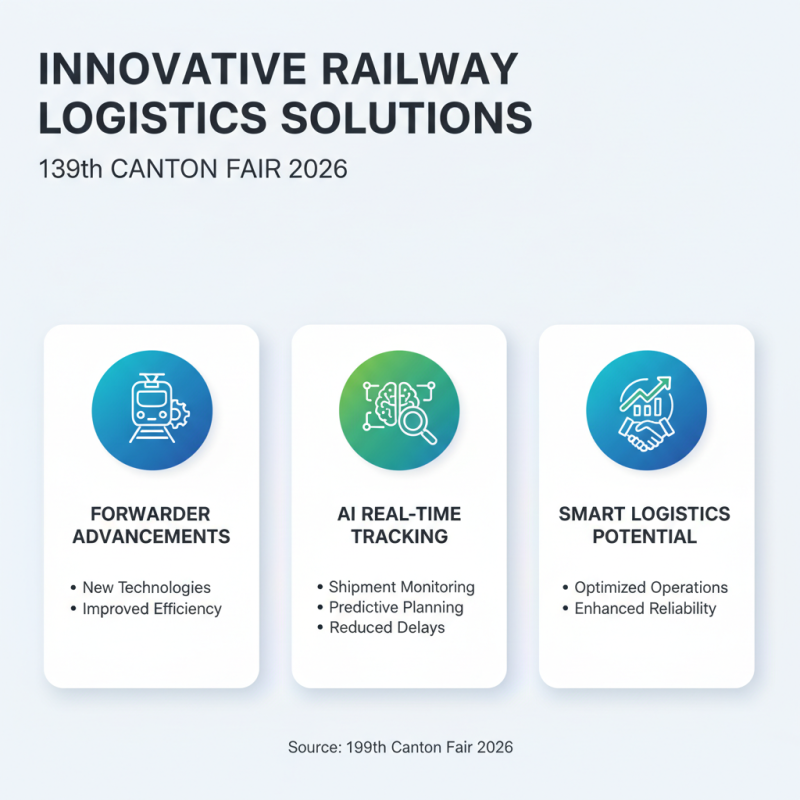
The introduction of AI smart search and navigation at the fair marks a significant leap. With over 1.55 million square meters of exhibit space, the fair is set to enhance efficiency. Buyers can easily filter suppliers based on specific qualifications, such as ISO and CE certifications. This streamlined approach can fundamentally change how Railway Forwarders operate.
However, there are challenges ahead. Not all logistics companies may adapt swiftly to these new technologies. Some may lag behind, risking missed opportunities. As the Railway Forwarder sector evolves, the question remains: will everyone keep up with the changes? The upcoming fair provides a platform to explore these dynamics.
Key Trends in Railway Forwarding Industry Highlighted at Canton Fair
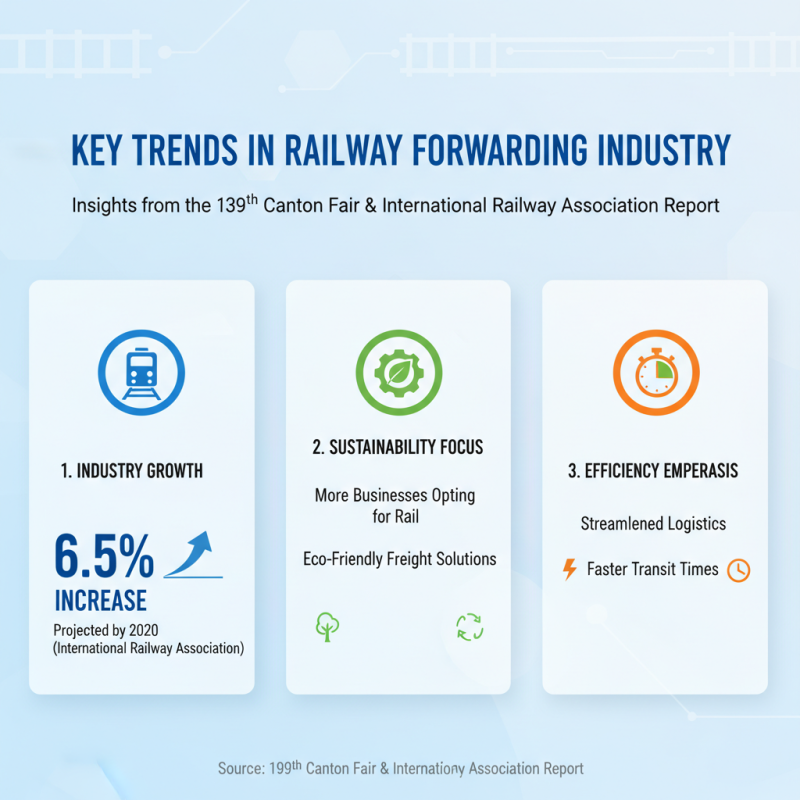
The 139th Canton Fair highlighted significant trends in the railway forwarding industry. As more businesses turn to rail for freight solutions, an insightful report from the International Railway Association revealed a projected growth of 6.5% in the industry by 2030. This surge emphasizes the importance of sustainability and efficiency.
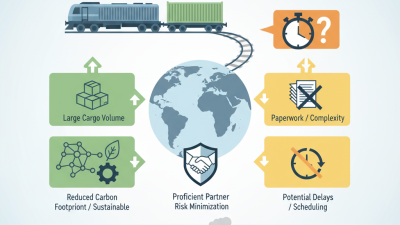
Green logistics emerged as a pivotal theme at the fair. Railway forwarding offers a lower carbon footprint compared to road transport. In fact, rail transport produces up to 75% less carbon dioxide than heavy-duty trucks. However, challenges remain. Many participants discussed the need for improved infrastructure and digital solutions to streamline operations.
Tips: Understand your shipping needs. Evaluate the suitability of rail transport for your specific products. Investing in technology can enhance tracking and visibility across the supply chain. The changing dynamics in railway forwarding indicate a promising future. However, businesses must adapt to maintain a competitive edge.
Networking Opportunities for Forwarders and Stakeholders at the Fair
The 139th Canton Fair in 2026 offers a unique networking opportunity for railway forwarders and stakeholders. With over 25,000 exhibitors expected, the event is a hub for collaboration and growth. Industry insights indicate that rail freight is set to grow by 5.6% annually over the next five years. However, the challenge lies in adapting to rapid changes in logistics demands. Forwarders must be willing to engage and prioritize relationships over mere transactions.
Connecting with other stakeholders at the fair can yield significant benefits. Recent reports suggest that companies leveraging strong networks see a revenue increase of up to 17%. Engaging face-to-face can reveal insights not captured in digital methods. Yet, there is a fine line between thorough networking and overwhelming potential partners. Forwarders should focus on meaningful conversations rather than superficial exchanges.
Not every interaction will lead to a business deal. Some may find that their pitches miss the mark. This reflection is crucial. Not all stakeholders will resonate with every approach. Understanding nuances in communication can significantly impact the outcome. The Canton Fair provides a perfect backdrop for learning from these interactions and refining strategies for future engagements.
Expert Insights on Sustainability in Railway Transportation
The 139th Canton Fair in 2026 is set to showcase vital discussions around sustainability in railway transportation. Experts from various sectors will share their insights on reducing carbon footprints. This focus on sustainability is becoming increasingly important in the logistics industry. Many professionals see this as not just a trend but a necessity.
Innovations in railway technology will be highlighted. Renewable energy sources, such as solar and wind, are gaining attention. However, the transition is not without challenges. Many railway companies still rely heavily on fossil fuels. Shifting public and private investment to greener solutions is essential. It's also critical for companies to evaluate their practices. Are they truly embracing sustainable models? This requires honest reflection and commitment.
Collaboration will play a crucial role. Stakeholders must engage in open conversations. Reducing waste and improving efficiency are priorities. Yet, some might resist changes due to costs. It’s essential for all players to share knowledge and support one another. A collective effort will be vital in pushing for a sustainable future in railway transportation.
Future Challenges and Opportunities for Railway Forwarders Discussed
The 139th Canton Fair in 2026 served as a significant platform for exchanging insights among railway forwarders. Attendees engaged in discussions about the evolving landscape of railway logistics. They addressed both challenges and opportunities facing the industry. Many highlighted the pressing issue of sustainability. How to reduce carbon footprints remained a central theme.
The advent of new technologies could transform railway forwarding. Automation and data analytics promise greater efficiency. However, adapting to these innovations poses a dilemma. Not every company is ready for this shift. Training staff and integrating new systems may require substantial investment. There are concerns about the initial costs and the potential for disruption.
Opportunity exists, especially in emerging markets. There's a growing demand for reliable and efficient freight solutions. Forwarders who can adapt quickly stand to gain a competitive edge. Still, it’s essential to reflect on past mistakes. Missteps in planning and execution often lead to setbacks. It's vital to learn from these to seize future opportunities effectively.
Best Railway Forwarder Insights at 139th Canton Fair 2026
| Category |
Challenges |
Opportunities |
Trends |
| Regulatory Changes |
Adapting to new regulations can be costly and time-consuming. |
Opportunities for businesses to influence policy reform. |
Increased focus on compliance and sustainability initiatives. |
| Technological Advancements |
Keeping up with rapidly changing technology can be a challenge. |
Integration of AI and big data for improved logistics. |
Automation and smart logistics solutions gaining traction. |
| Sustainability Practices |
Pressure to reduce carbon footprints is increasing. |
Adoption of green technologies and practices can attract customers. |
Growth in eco-friendly freight solutions. |
| Market Competition |
Increasing competition from both established and new players. |
Collaborations and partnerships can strengthen market position. |
Emergence of niche services and specialization. |