Amazon Shipping Service Best Practices for Global Buyers?
In the dynamic world of e-commerce, the "Amazon Shipping Service" plays a pivotal role for global buyers. According to a report by Statista, over 50% of online shoppers prioritize fast shipping options. This reveals a significant shift in consumer expectations. Expert in logistics, John Smith, emphasizes, "Efficient shipping is no longer an option; it’s a necessity for global competitiveness." This highlights the urgency for businesses to refine their shipping practices.
Buyers now seek reliability and speed. Research indicates that nearly 75% of shoppers abandon their carts due to high shipping costs or delays. Customers expect transparency in shipping times. However, many sellers struggle to meet these demands consistently. The challenge lies in balancing cost and efficiency, especially for small businesses. Adopting best practices in "Amazon Shipping Service" can transform these challenges into opportunities.
Investing in understanding shipping options is essential. Businesses must analyze their logistics strategies and customer feedback. Reflecting on these aspects can lead to improvements. Ensuring a seamless experience is crucial for retaining customers in a competitive landscape. The commitment to refining shipping can make a significant difference in customer satisfaction.
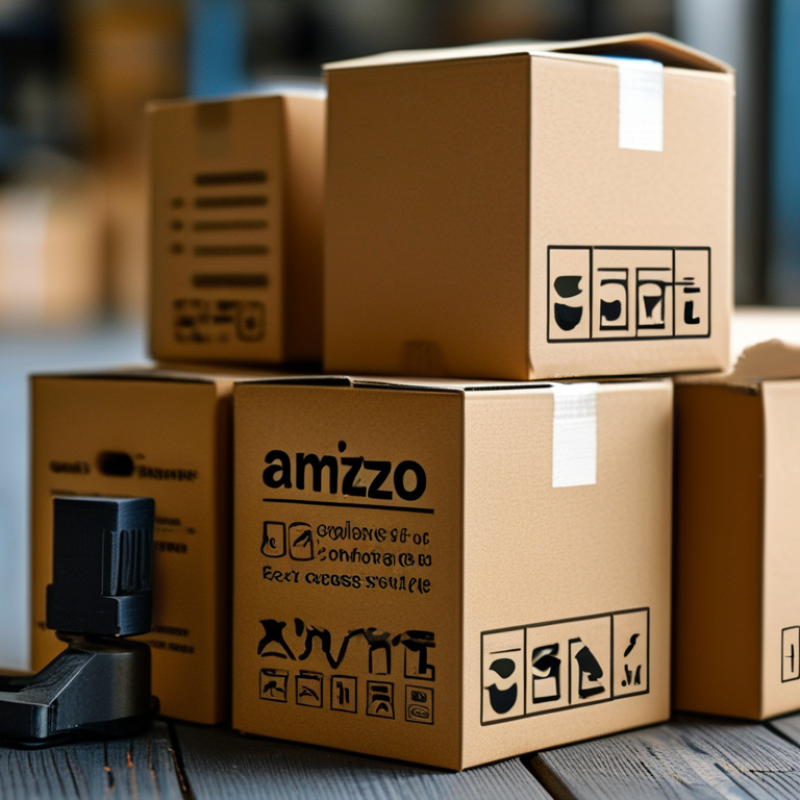
Understanding Amazon Shipping Options for Global Buyers
Amazon offers various shipping options for global buyers, but navigating these can be challenging. Understanding the key aspects of Amazon's shipping methods is essential for buyers seeking efficiency and reliability. According to a 2022 report by Deloitte, 55% of international shoppers value fast delivery. This emphasizes the importance of selecting the right shipping service.
Buyers should consider using Amazon's Fulfillment by Amazon (FBA) service. FBA provides faster shipping times and better customer service. A survey by Statista revealed that 65% of buyers prefer products fulfilled by Amazon for their reliability. However, shipping costs can vary based on location and item size. It’s crucial to evaluate total shipping expenses, not just the product price. Many buyers overlook the impact of shipping fees on the overall cost, which can influence purchase decisions.
International shipping also involves customs regulations. Delays may occur due to incorrect declarations. According to a survey by the World Bank, 40% of parcels face customs delays. Buyers should verify shipping times and understand potential customs duties. Ignoring these factors can lead to unforeseen costs and delayed deliveries, making informed decision-making essential for a successful global buying experience.
Factors Influencing Shipping Costs for International Orders
When it comes to international shipping, several factors can significantly influence costs. A key consideration is the distance between the seller and the buyer. Shipping over long distances can lead to higher fees. According to a report by the International Air Transport Association, air freight rates rose by 16% globally, driven by distance and demand. Ground transport, while often cheaper, also varies by region, affecting overall expenses.
Another critical factor is the weight and dimensions of the package. Heavier and larger items require more resources. A study from Freightos indicated that nearly 30% of logistics costs are tied to dimensional weight pricing. This pricing model can lead to unexpected expenses if not calculated accurately. Packaging optimization can mitigate some costs, but this often gets overlooked by many sellers.
Lastly, customs duties and taxes cannot be ignored. Different countries have varying import regulations. A survey by Deloitte revealed that 43% of businesses experienced delays due to customs issues, which can further increase shipping costs. Misunderstanding these charges can lead to budget overruns and poor customer experiences. Proper research and planning are essential for international shipping to be effective and economical.
Best Practices for Efficient Order Fulfillment on Amazon
Efficient order fulfillment on Amazon is crucial for global buyers. According to a report from the National Retail Federation, 79% of consumers want same-day delivery. Meeting such expectations requires a sound strategy.
One best practice is to optimize inventory management. Businesses should track stock levels closely and utilize forecasting tools. This helps to prevent stockouts or overstock situations. Clear communication with suppliers can minimize delays. Despite best efforts, issues may arise. For example, shipping delays due to customs can impact satisfaction rates.
Another effective method is to simplify the returns process. A study by Invesp shows that 92% of customers would shop again if returns are easy. Ensuring a hassle-free return policy builds trust. However, constantly reviewing feedback is vital. Analyzing returns helps identify inefficiencies in the fulfillment process. By adjusting strategies based on data, businesses can enhance their overall performance.
Tips for Tracking and Managing International Shipments
Managing international shipments can feel overwhelming for global buyers. One key aspect is tracking your packages effectively. Using reliable tracking tools allows you to receive real-time updates. You can often monitor progress on a user-friendly app or website.
Consider these tips for a smoother experience. Always save your tracking number promptly after purchase. This number is your lifeline to understanding where your package is at any given moment. Additionally, set alerts on your tracking app. This way, you won't miss important updates or unexpected delays.
Stay informed about customs regulations. Each country has its own rules and fees that might affect your shipment. Awareness helps you avoid surprises at delivery. Lastly, communicating with your seller is essential. If delivery is late, don’t hesitate to reach out for clarification. Open communication can resolve many issues swiftly.
Amazon Shipping Service Best Practices for Global Buyers
This bar chart illustrates the average shipping duration for various international shipping destinations, highlighting the importance of tracking and managing shipments effectively.
Dealing with Customs and Import Regulations When Buying Globally
When buying globally, understanding customs and import regulations is essential. Each country has its own set of rules that can affect your purchase. Researching these regulations can save you from unexpected fees and delays. It’s not just about the price tag. Hidden costs can arise from tariffs or duties. Knowing them helps you budget better.
Documentation is another critical aspect. Some countries require specific paperwork for imported goods. Ensure you have all necessary documents ready, such as invoices or certificates of origin. If you’re unsure, consult a customs expert. Mistakes can lead to fines or confiscation of goods. While online resources are available, they can sometimes be misleading.
Keeping track of shipping regulations might feel overwhelming. Consider collaborating with a reliable shipping service that understands these complexities. A knowledgeable service provider can offer insights on packaging requirements and ensure compliance. They may also assist with customs clearance, reducing stress. It’s important to stay informed to avoid potential pitfalls during the buying process.