
Request a Quote
65445de874
Leave Your Message

What is Amazon Logistics and How Does It Work?

Amazon Logistics is a critical component of Amazon’s supply chain. This service enhances the speed and efficiency of deliveries. According to a report by Statista, Amazon held a 38% market share in U.S. e-commerce logistics in 2021. This impressive figure illustrates the significance of Amazon Logistics in the retail landscape.

The system allows for flexible shipping options, including same-day and next-day delivery. Advanced technology and a vast network of fulfillment centers support this process. However, challenges persist. Recent studies indicate that nearly 29% of consumers experienced delays in 2022. Such issues prompt us to consider potential improvements in the system.

Additionally, the rise of e-commerce has increased demand on logistics services globally. Data from Research and Markets projected that the logistics market would reach $12 trillion by 2027. Amid this growth, Amazon Logistics must continually adapt. Balancing speed and reliability remains a pressing concern for the company. This invites a deeper reflection on the logistics strategies that can shape the future of delivery services.

What is Amazon Logistics and How Does It Work?

What Is Amazon Logistics?

What is Amazon Logistics and How Does It Work?

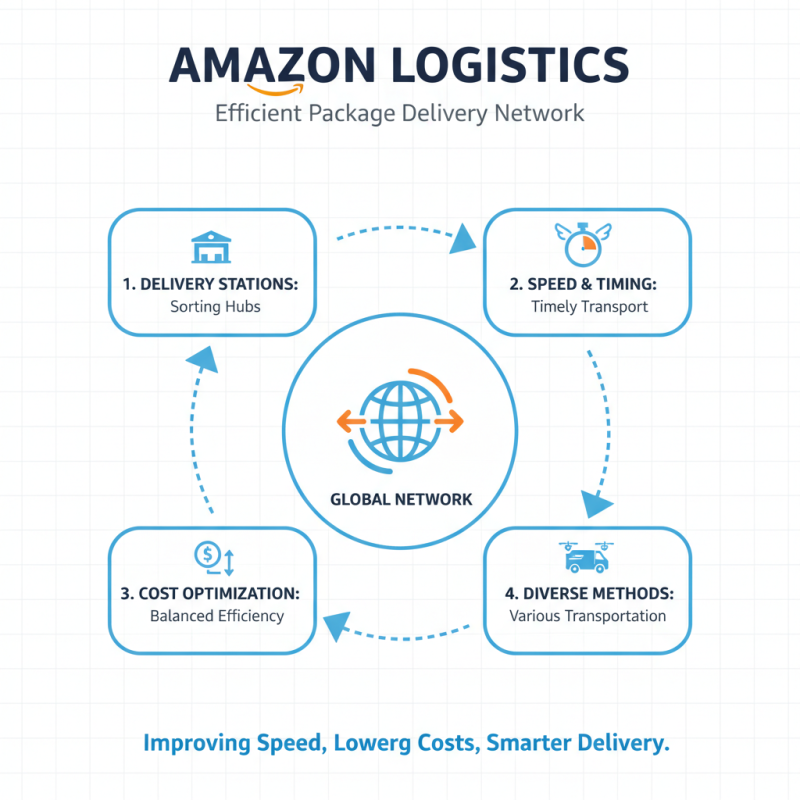
Amazon Logistics is a complex network designed to deliver packages efficiently. It utilizes various methods to ensure timely transportation. The focus is on improving delivery speed while maintaining costs. Delivery stations play a crucial role in this framework. They serve as hubs where packages are sorted before reaching their final destinations.

Working within this structure can be challenging. Communication is key among different teams. Sometimes packages get delayed, and it is important to address these issues quickly. Technology aids in tracking and managing inventory, but glitches can occur. These setbacks remind us that improvement is an ongoing process.

Tips: Always keep your expectations flexible. Sometimes, weather or traffic can delay shipments unexpectedly. Additionally, becoming familiar with local distribution points can help you understand delivery routes better. Efficiency and organization can help streamline processes, even when faced with obstacles.

The Evolution of Amazon's Delivery System

The evolution of delivery systems has been rapid. In the past, companies relied heavily on traditional postal services. Deliveries took time and tracking options were limited. This often led to customer frustration.

As technology advanced, companies began to innovate. New methods like drones and automated vehicles appeared. These technologies promise speed and accuracy. However, implementation is not always smooth. Challenges include regulatory hurdles and costs. Not every area can easily adopt these changes.

The current system aims to achieve same-day deliveries. While it sounds ideal, it creates pressure on logistics. This can lead to mistakes, missed deliveries, or damaged goods. Balancing efficiency with customer satisfaction remains a challenge. Future advancements may reshape this landscape even more.

Key Components of Amazon Logistics

Amazon Logistics is a complex network designed to ensure smooth and efficient delivery of packages. At its core, there are several key components that work together to achieve this goal. The fulfillment centers play a vital role. These large warehouses house products and are strategically located to minimize delivery times. They can store millions of items and use advanced technology for tracking inventory.

Another important aspect is the sorting centers. Once orders are placed, packages move to these facilities where they are sorted based on their delivery destinations. This process is crucial for optimizing routes. However, the speed of sorting can lead to mistakes. Sometimes, packages are sent to the wrong places, resulting in delays.

Last, there are last-mile delivery services. This part of the logistics chain is often the most complex. Delivery drivers must navigate urban landscapes, and sometimes they encounter issues like traffic. This can impact delivery times. Ensuring timely arrivals while maintaining accuracy is a constant challenge. Each component impacts overall efficiency, and improvements can always be made.

What is Amazon Logistics and How Does It Work? - Key Components of Amazon Logistics

Component Description Key Features Benefits
Fulfillment Centers Warehouses where products are stored and orders are picked, packed, and shipped. Automated systems, large storage capacity, and strategic locations. Faster order processing and shipping times.
Delivery Network The system used for transporting packages from fulfillment centers to customers. Last-mile delivery, partnership with carriers, and route optimization. Improved delivery speed and reliability.
Logistics Software Technology that manages inventory, shipments, and logistics operations. Real-time tracking, inventory management, and data analytics. Enhanced operational efficiency and reduced errors.
Shipping Options Variety of methods available to ship packages to customers. Standard, expedited, and same-day shipping. Flexible choices to meet customer needs.
Returns Processing System for handling returns from customers effectively. Easy return labels and tracking of return shipments. Improved customer satisfaction and streamlined operations.

How Amazon Logistics Manages Inventory and Fulfillment

Managing inventory and fulfillment is a complex task. Effective logistics are crucial. Companies aim to minimize costs and maximize efficiency. This is where innovative systems come into play. Streamlined processes reduce delays and enhance customer satisfaction.

When it comes to inventory management, technology plays a key role. Real-time tracking systems help monitor stock levels. Automated alerts notify managers about low inventory. This ensures timely replenishment. However, relying too heavily on automation can backfire. Human oversight is still essential. Mistakes can happen. Sometimes, inaccurate stock levels go unnoticed.

Fulfillment operations rely on precise coordination. Orders must be picked, packed, and shipped quickly. Teams often face challenges in meeting high demand. Bottlenecks can arise during peak seasons. It’s a delicate balance between speed and accuracy. Training staff effectively is crucial. Continuous improvement in processes can lead to better outcomes. Addressing weaknesses could further enhance efficiency.

Amazon Logistics Inventory and Fulfillment Overview

The Future of Logistics in Amazon's Business Model

What is Amazon Logistics and How Does It Work?

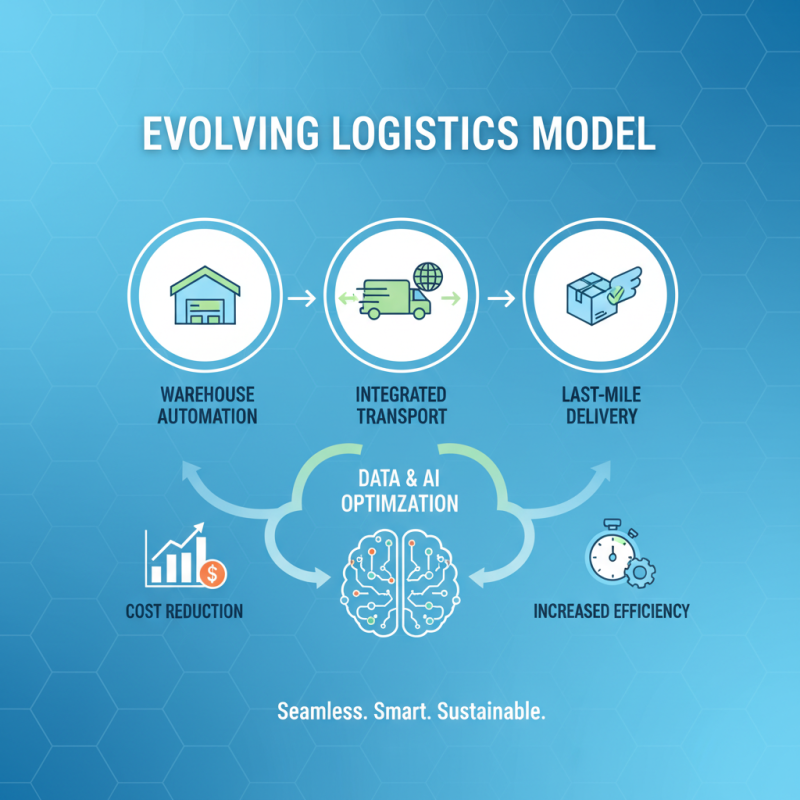
The logistics model in this modern business environment is rapidly evolving. Companies are increasingly adopting advanced technologies to improve efficiency and reduce costs. Seamless integration between warehouses, transportation networks, and delivery systems is crucial. Data plays a vital role, offering insights into demand and optimizing routes.

In the quest for innovation, challenges persist. Not all regions have the same accessibility, leading to discrepancies in service quality. There’s also the ongoing pressure of rising operational costs. Adjusting to customer needs requires constant adaptation. Streamlining processes while maintaining sustainability is essential yet difficult. It’s a balancing act that demands continuous reflection.

As businesses look to the future, automation and artificial intelligence will play larger roles. Robotics may handle more warehouse tasks. However, human oversight remains vital. For example, skilled workers are still needed for complex problem-solving. The future of logistics is bright, yet complex. Embracing this complexity is key to crafting adaptable strategies.